
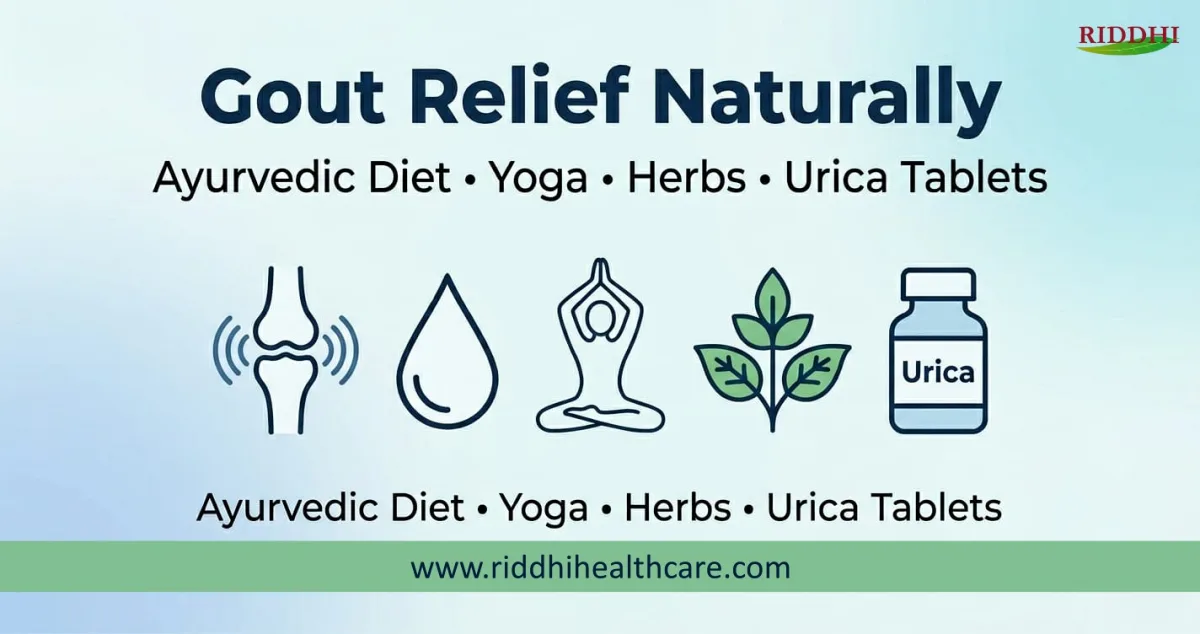
Gout and High Uric Acid: A Practical Guide to Symptoms, Diet and Treatment
What is Gout? Gout is a form of inflammatory arthritis that can cause sudden and severe pain, swelling, redness, warmth, and tenderness in a joint—often the big toe, ankle, knee,…

What is Gout?
Gout is a form of inflammatory arthritis that can cause sudden and severe pain, swelling, redness, warmth, and tenderness in a joint—often the big toe, ankle, knee, or foot. It is associated with the formation of urate crystals in a joint.
Uric acid is a natural waste product made when the body breaks down purines. The kidneys normally remove it through urine. When uric acid remains high, some people may develop urate crystals and gout. However, high uric acid does not always mean that a person has gout.
This guide explains the difference between high uric acid and gout, common symptoms and risk factors, diet and lifestyle considerations, diagnosis, modern treatment, and the traditional Ayurvedic perspective of Vatarakta.
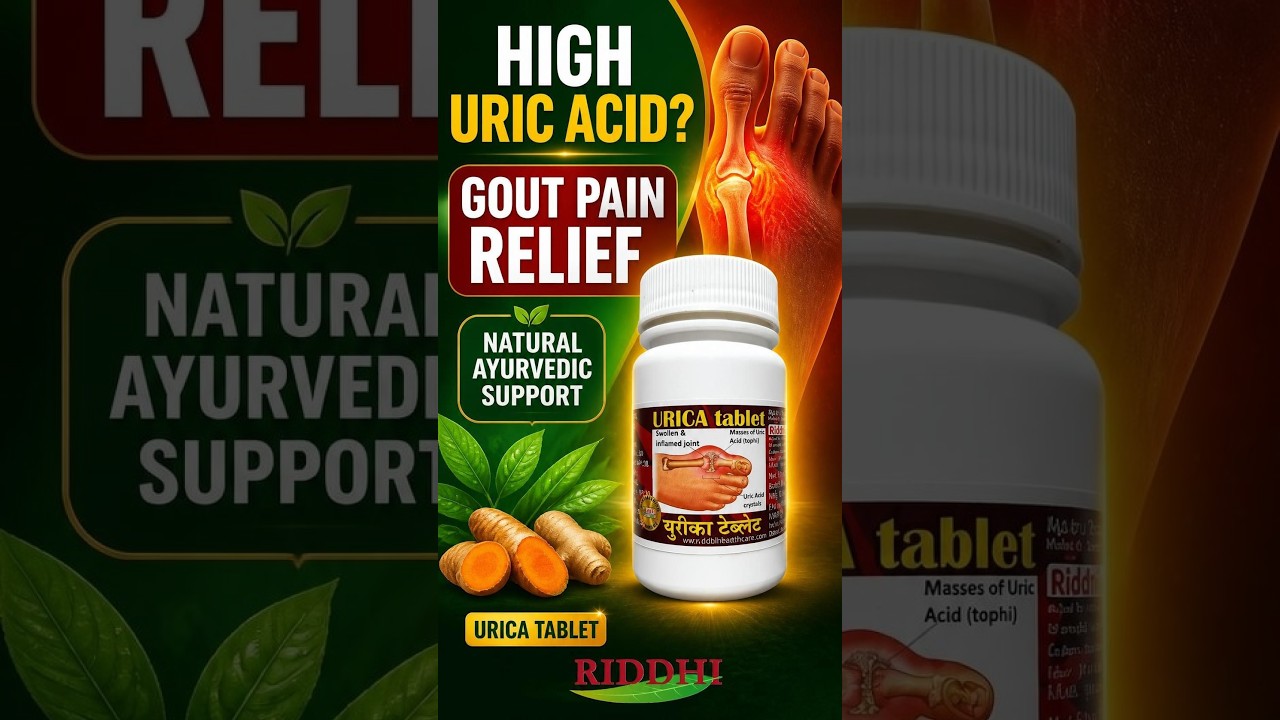
Why does gout happen?
When your body produces too much uric acid—or can’t eliminate it fast enough—it forms sharp crystals in the joints, triggering inflammation and pain. While modern medicine focuses on uric acid levels, Ayurveda views gout as ‘Vatarakta’, a condition where imbalanced Vata (air) and Pitta (fire) doshas cause toxins to accumulate in the joints.
What is the difference between Uric Acid and Gout
If you’re confused about whether uric acid and gout are the same, you’re not alone! Many people use these terms interchangeably, but they’re not the same thing. Here’s the simple breakdown:
Uric Acid is a natural waste product that your body creates when it breaks down purines—a substance found in foods like red meat, seafood, dal (pulses), and alcohol. Normally, your kidneys filter out uric acid, and it leaves your body through urine. But if your body produces too much uric acid or your kidneys can’t remove it efficiently, it starts to build up in your blood.
Think of it like salt in water. If you add a little salt, it dissolves easily. But if you keep adding more and more, the water can’t hold it all, and crystals start forming at the bottom. Similarly, when uric acid levels get too high, it can form sharp, needle-like crystals in your joints.
Gout is the painful result of those uric acid crystals. When these crystals settle into a joint—most commonly the big toe, but also ankles, knees, or wrists—your body reacts with inflammation. This leads to:
✔ Sudden, severe pain (often waking you up at night).
✔ Redness, swelling, and heat in the joint.
✔ Stiffness and difficulty moving the affected area.
So, in simple terms:
- Uric Acid = The waste product that can cause trouble if levels get too high.
- Gout = The painful joint inflammation that happens when uric acid crystals form in your joints.
Why does this matter?
Not everyone with high uric acid will develop gout, but every gout patient has high uric acid. That’s why managing uric acid levels—through diet, hydration, and natural remedies—is the key to preventing gout attacks.
Gout Symptoms: How to Recognize an Attack
Gout doesn’t knock before entering. Here’s how it announces itself:
- Sudden, severe joint pain (often in the big toe, but also ankles, knees, or wrists).
- Redness, swelling, and warmth in the joint—like it’s on fire.
- Tenderness—even the weight of a bedsheet can feel unbearable.
- Limited mobility—walking or bending the joint becomes difficult.
If you experience these symptoms, consult a doctor or Ayurvedic practitioner for a proper diagnosis.
Causes of Gout: Uric Acid Build Up
Modern Medical View
Your body naturally produces uric acid when it breaks down purines (found in certain foods). Normally, kidneys filter it out. But if you:
- Eat too many purine-rich foods (red meat, seafood, alcohol).
- Are overweight, diabetic, or have kidney issues.
- Take certain medications (like diuretics).
…your uric acid levels can skyrocket, leading to gout.
Ayurvedic View: Gout as ‘Vatarakta’
In Ayurveda, gout is known as ‘Vatarakta’, where:
- Vata dosha (governing movement) gets aggravated, causing dryness and pain.
- Pitta dosha (governing metabolism) leads to inflammation and heat.
- Poor digestion (Ama) creates toxins that clog channels, worsening joint pain.
Triggers for Vatarakta:
- Wrong diet (heavy, oily, or fermented foods).
- Sedentary lifestyle (lack of movement aggravates Vata).
- Stress and irregular sleep (disrupts dosha balance).
Gout Diet: What to Eat and What to Avoid
🚫 Foods to Avoid (Modern + Ayurvedic List)
Your diet plays a huge role in managing gout and uric acid level. Avoid these high-purine and dosha-aggravating foods:
Knoiw which food must be avoided in Gout and High Uric Acid.
| Category | Avoid These | Why? |
|---|---|---|
| Meat & Seafood | Red meat, organ meats, sardines, shellfish | High in purines; trigger uric acid spikes. |
| Pulses | Urad dal, rajma, chana, soybean | Heavy to digest; increase Vata and Pitta. |
| Dairy | Curd, buttermilk, sour cheese | Fermented foods aggravate Pitta. |
| Vegetables | Spinach, mushrooms, cauliflower | High in purines or hard to digest. |
| Fruits | Sour fruits (java plum, dates) | Increase Pitta and inflammation. |
| Sugars & Drinks | Refined sugar, alcohol (especially beer) | Spike uric acid and dehydrate the body. |
⚠️ Viruddha Ahara (Food Incompatibilities):
- Never mix milk with fruits, fish, or salt—this creates toxins (Ama) that worsen gout.
✅ Foods to Eat for Gout Relief
Focus on light, cooling, and alkalizing foods to balance Pitta and reduce uric acid:
| Category | Eat These | Why? |
|---|---|---|
| Grains | Barley, old rice, quinoa | Easy to digest; reduce inflammation. |
| Pulses | Moong dal, masoor dal | Light and non-gas-forming. |
| Vegetables | Bitter gourd, bottle gourd, coriander | Cooling; support detox. |
| Fruits | Cherries, apples, pears, pomegranate | Low in purines; cherries reduce uric acid. |
| Dairy | Fresh cow’s milk (boiled), ghee | Nourishing without aggravating Pitta. |
| Herbs & Spices | Turmeric, ginger, cumin, fennel | Anti-inflammatory and digestive. |
| Drinks | Coconut water, herbal teas, warm water | Hydrate and flush out uric acid. |
Pro Tip: Start your day with warm lemon water to alkalize your body and support kidney function.
Natural Remedies for Gout: Yoga, Naturopathy, Ayurvedic and Home Care
🧘 Yoga for Gout: Poses to Ease Pain and Improve Mobility
Gentle yoga helps improve circulation, reduce inflammation, and calm Vata. Try these poses daily:
- Vajrasana (Diamond Pose)
- How: Kneel and sit on your heels, spine straight.
- Why: Aids digestion, reduces Ama (toxins).
- Bhujangasana (Cobra Pose)
- How: Lie on your stomach, lift your chest, and arch backward.
- Why: Stimulates kidney function; reduces joint stiffness.
- Dhanurasana (Bow Pose)
- How: Lie on your stomach, hold your ankles, and lift your chest and thighs.
- Why: Strengthens joints and improves flexibility.
💡 Tip: Practice yoga in the morning for best results. Avoid overstraining painful joints.
🌿 Naturopathy Tips for Gout Relief and Uric Acid
- Hot and Cold Compress:
- Apply a hot towel for 3 minutes, followed by a cold pack for 1 minute. Repeat 3 times to reduce swelling.
- Herbal Teas:
- Giloy – Ginger Tea: Boil 1 tsp Giloy powder + ½ tsp Ginger powder (Sunth) in water. Drink twice daily for inflammation.
- Triphala Tea: Supports detox and digestion.
- Hydrotherapy:
- Soak your feet in warm water with Epsom salt for 15 minutes to ease pain.
Ayurvedic Treatment for Gout and Uric Acid : Herbs and Therapies
Ayurveda offers holistic solutions to manage gout by balancing doshas and reducing Ama – Gout treatment in Ayurveda, Here’s how:
🌱 Key Ayurvedic Herbs for Uric Acid and Gout
| Herb | Benefits | How to Use |
|---|---|---|
| Guggulu | Detoxifies joints; reduces uric acid. | Take as a supplement or in Urica Tablets. |
| Punarnava | Anti-inflammatory; supports kidney function. | Boil leaves in water; drink as tea. |
| Sunth (Dry Ginger) | Reduces pain and inflammation. | Add to teas or meals. |
| Triphala | Cleanses digestive tract; reduces Ama. | Take 1 tsp with warm water at night. |
🏥 Panchakarma for Gout and High Uric Acid Level
For severe cases, following Panchakarma therapies are beneficial for Gout like:
- Basti (Medicated Enema): Cleanses Vata and removes toxins.
- Virechana (Purgation): Detoxifies Pitta.
Consult an Ayurvedic doctor before undergoing Panchakarma.
Benefits of Ozone Therapy for Gout
Ozone therapy is considered a complementary treatment for gout, primarily due to its potential to address several underlying issues associated with the condition.
Decrease in Uric Acid Levels
- Ozone therapy is believed to help lower uric acid levels in the body. High uric acid is a key factor in the development of gout, as it leads to the formation of uric acid crystals in the joints.
Reduction of Inflammation
- The therapy may reduce inflammation in the affected joints. This is crucial because inflammation is a significant contributor to the pain and swelling experienced during gout attacks.
Improved Circulation
- Ozone therapy can enhance blood circulation, which may help in delivering more oxygen to tissues and promoting healing. Improved circulation can also assist in flushing out toxins, including excess uric acid.
Pain Relief
- By addressing inflammation and improving circulation, ozone therapy may provide pain relief for individuals suffering from gout. This can lead to a better quality of life and reduced frequency of gout attacks.
Summary of Benefits by Ozone Therapy in Gout
| Benefit | Description |
|---|---|
| Decrease in Uric Acid | Lowers uric acid levels, reducing gout risk |
| Reduction of Inflammation | Alleviates swelling and pain in joints |
| Improved Circulation | Enhances blood flow and oxygen delivery |
| Pain Relief | Provides relief from gout-related discomfort |
Ozone therapy is not a standalone treatment but can be part of a comprehensive approach to managing gout, alongside lifestyle changes and medical advice.
To know more about Ozone therapy, contact Dr. Vidhi Doshi at
Chak Chakachak Nature Cure
Aagam, Nr. ST Bus Depot, Station Road, Valsad
📞96647 04608
WhatsApp : https//wa.me/919664704608
Supporting Your Wellness Journey
Maintaining a healthy metabolic balance is a long-term commitment. Alongside diet and lifestyle changes, many people find that traditional Ayurvedic herbs provide valuable support for joint comfort and fluid balance.
If you are looking for a natural way to support your body’s metabolic harmony, our Urica Tablet – Ayurvedic Joint & Metabolic Wellness Support is a thoughtfully crafted formulation. It combines time-tested herbs like Guggulu and Punarnava, which are traditionally valued in Ayurveda for supporting healthy uric acid metabolism and musculoskeletal wellness. Urica Tablet is found to be supporting in Gout and High Uric Acid treatment.
Understanding Uric Acid Monitoring: Medications and Tests
While Ayurveda focuses on root-cause healing, modern medicine offers quick relief and diagnostic tools:
🩺 Uric Acid Test:
- A simple blood test measures uric acid levels.
- Normal range: 3.4–7.0 mg/dL (men), 2.4–6.0 mg/dL (women).
- When to test? If you have frequent gout attacks or a family history.
Approaches to Joint and Metabolic Wellness
| Approach | Modern Medicine | Ayurveda |
|---|---|---|
| Diagnosis | Blood test for uric acid, joint scan | Dosha analysis, pulse diagnosis, symptoms |
| Treatment | NSAIDs, urate-lowering drugs | Herbal formulations, Panchakarma, diet |
| Prevention | Lifestyle changes, hydration | Dinacharya (daily routine), Rasayana herbs |
| Philosophy | Symptom control and uric acid reduction | Root cause elimination and dosha balance |
Note: Always consult a doctor before starting or stopping medications.
Can Gout Be Cured Permanently?
Gout is manageable but not always curable. However, with the right diet, lifestyle, and treatment, you can:
- Reduce the frequency of attacks.
- Lower uric acid levels naturally.
- Improve joint health and mobility.
Long-Term Tips:
✔ Stick to an anti-gout diet.
✔ Stay hydrated (2–3 liters of water daily).
✔ Exercise gently (walking, yoga, swimming).
✔ Manage stress and weight.
✔ Consider Ayurvedic support (herbs, Urica Tablets).
Ayurvedic Medicine for Gout and Uric Acid
For any further information, you can contact on WhatsApp +919737301221
Frequently Asked Questions (FAQ) about Gout and Uric Acid
What is the main cause of gout?
Gout is caused by hyperuricemia, where excess uric acid forms crystals in joints.
Which foods should I avoid for gout?
Avoid red meat, organ meats, shellfish, sugary drinks, alcohol, and processed foods.
Can Ayurveda help with high uric acid level?
Yes. Ayurveda treats gout as Vatarakta, using herbs, detox therapies, and diet to balance doshas.
Is hydration important for gout?
Absolutely. Drinking plenty of water helps kidneys flush out uric acid.
Are herbal tablets safe for gout?
Many Ayurvedic formulations like Urica Tablet are safe, but always consult a qualified practitioner before use.
Can uric acid be reduced naturally?
Yes! Eat low-purine foods, stay hydrated, and try Ayurvedic herbs (Guggulu, Punarnava) or Urica Tablets.
Is gout hereditary?
Yes, family history increases your risk, but diet and lifestyle play a bigger role.
How often should I test uric acid levels?
If you have gout, test every 6 months. Otherwise, once a year if you’re at risk.
Can I eat curd (दही – छास – लस्सी) if I have gout?
No, as per Ayurveda, it must be totally avoided.
Conclusion
Gout is a lifestyle-linked condition that can be managed effectively through a combination of modern and Ayurvedic approaches. By understanding your body’s needs, choosing the right foods, and using supportive herbs, you can maintain long-term joint comfort and metabolic balance naturally




Interesting perspective. I liked how you highlighted the important aspects without overcomplicating things. It definitely gave me something to think about.
Thank You for appreciating.