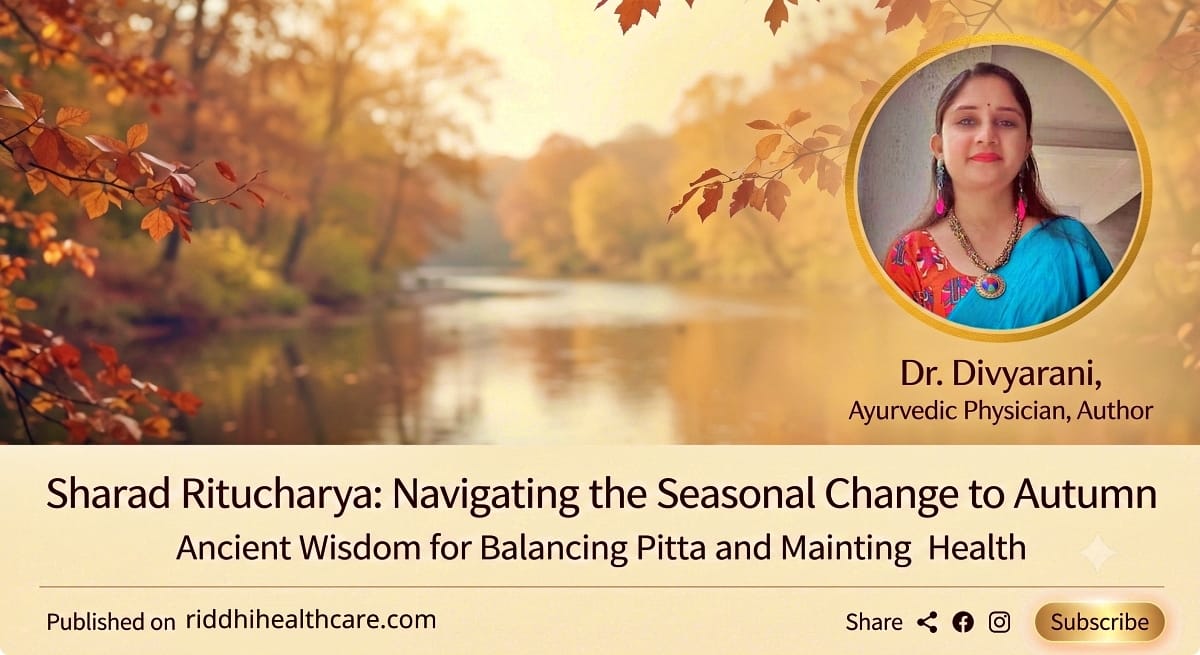
Sharad Ritucharya: The Ayurvedic Guide to Staying Healthy in Autumn
🩺 Authored by: Dr. Divyarani Patel (BAMS)Consulting Ayurvedic Physician, Shlok Ayurved & Panchkarma Center, ValsadPublished by Riddhi Healthcare Sharad Ritucharya as per Charak Samhita तस्या शिताद्यादाहाराद्बलंवर्णश्च वर्धते। यस्यर्तुसात्मयं विदितं चेष्टाहारव्यपाश्रयं॥…

🩺 Authored by: Dr. Divyarani Patel (BAMS)
Consulting Ayurvedic Physician, Shlok Ayurved & Panchkarma Center, Valsad
Published by Riddhi Healthcare
Sharad Ritucharya as per Charak Samhita
तस्या शिताद्यादाहाराद्बलंवर्णश्च वर्धते।
यस्यर्तुसात्मयं विदितं चेष्टाहारव्यपाश्रयं॥
(Charaka Samhita, Sutrasthana 6.3)
“One who understands the suitable diet and lifestyle for each season attains strength, vitality, and a healthy complexion.”
In Ayurveda, our health is deeply connected to nature’s cycles. Ritucharya (seasonal regimen) is the ancient science of adjusting our habits according to the changing weather. Acharya Charak taught that preventing disease is far easier when we simply listen to what our body needs as the seasons turn.
As the monsoon retreats, we enter Sharad Rutu (Autumn). Let us explore how the body changes during this transition and how simple dietary and lifestyle choices can keep you energized and balanced.
Understanding Sharad Rutu and Sharad Ritucharya
- Duration: Mid-September to Mid-November
- The Environment: As the rain clouds clear, the sun becomes intense and bright. The ambient temperature rises during the daytime, while nights gradually become cooler.
- What Happens to the Body:
- Weakened Digestion (Mandagni): Your digestive fire naturally dips during seasonal shifts.
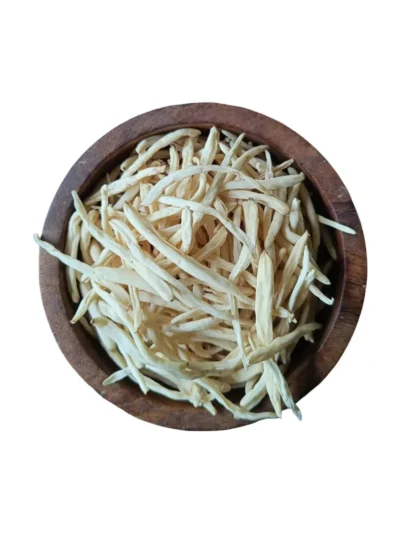
- Pitta Aggravation (Pitta Prakopa): The heat accumulated during the rains suddenly gets inflamed by the harsh autumn sun. This makes many people prone to acidity, heartburn, skin breakouts, burning sensations, and migraines. Shatavari can be used to pacify pitta.
Recommended Diet: Cooling and Pacifying Pitta, Important aspect of Sharad Ritucharya
To keep excess heat and acidity under control, favor foods that are naturally sweet (Madhura), bitter (Tikta), and astringent (Kashaya).
- Grains: Opt for easily digestible grains like aged rice (Shali), barley (Yava), and wheat (Godhuma).
- Taste Profile: Favor light, cool, and mildly bitter preparations. Bitter herbs and foods naturally normalize aggravated Pitta.
- Healthy Fats: Incorporate pure cow’s ghee into your meals. Medicated cow ghee infused with bitter herbs (Tikta Ghrita) is traditionally recommended during this season.
- Hydration: Drink clean, naturally cooling water. Boil water with mild cooling herbs (like coriander or vetiver) and let it cool to room temperature before drinking.
- Appetite Awareness: Eat only when you feel genuine hunger, keeping portions light so your digestive system is not overloaded.
Beneficial Lifestyle Practices as a part of Sharat Ritucharya
- Moonlight Exposure (Chandra Kiran Sevana): Spend 20 to 30 minutes in the cool evening moonlight. Classical texts explain that autumn moonlight calms the mind and cools internal body heat.
- Ayurvedic Detox Therapies: Under the supervision of a qualified Ayurvedic doctor, this season is ideal for:
- Virechana: Therapeutic purgation to gently eliminate excess Pitta from the liver and gallbladder.
- Raktamokshana: Traditional blood-purifying therapy for chronic skin eruptions and inflammatory conditions.
Habits and Foods to Avoid
During Sharad Rutu, certain habits directly spike body heat and trigger inflammation:
- Harsh Sun Exposure: Avoid staying under the direct, scorching midday sun.
- Heavy, Sour & Salty Foods: Steer clear of curd (yogurt), alkaline food preparations, spicy condiments, and excessive salt.
- Unhealthy Meats: Avoid consuming heavy meats from marshy animals.
- Daytime Sleeping (Divaswapna): Sleeping during the day disturbs digestion and aggravates both Pitta and Kapha.
- Direct Exposure to Strong Winds: Avoid sleeping directly under cold dews or facing strong eastern winds.
This article is for educational purposes. For individualized seasonal panchakarma treatments or persistent health complaints, consult an Ayurvedic physician.
About the Author
Dr. Divyarani Patel (BAMS)
Ayurvedic Physician & Panchakarma Specialist
Shlok Ayurved And Panchkarma Center, Valsad
Dr. Divyarani Patel holds a Bachelor of Ayurvedic Medicine and Surgery (BAMS) and practices classical Ayurvedic medicine and Panchakarma therapies in Valsad. She is passionate about preventive healthcare, seasonal wellness routines (Ritucharya), and guiding individuals toward natural healing through balanced diet and lifestyle practices.
For consultations or Panchakarma treatments, visit Shlok Ayurved And Panchkarma Center, Valsad.
FAQ related to Sharad Ritucharya
Why does acidity, heartburn, and indigestion suddenly increase during autumn (Sharad Ritu)?
During the monsoon season, dampness and coolness cause Pitta dosha (the heat element) to accumulate quietly in the body. When the rains stop and the sharp, bright autumn sun comes out (often called “October Heat”), this trapped Pitta gets triggered. Combined with a naturally sluggish digestive fire (Mandagni), it commonly results in sour belching, hyperacidity, mouth ulcers, and migraines.
Why should curd (dahi) and sour foods be avoided during Sharad Rutu?
While curd feels cooling to the tongue, classical Ayurveda explains that it has a heating potency (Ushna Virya) and is sour, salty, and heavy to digest. Consuming curd, pickles, vinegar, or fermented foods in autumn directly aggravates the already heated Pitta dosha and clogs micro-channels, leading to skin eruptions and digestive distress.
Why do skin allergies, acne, and rashes flare up between September and November?
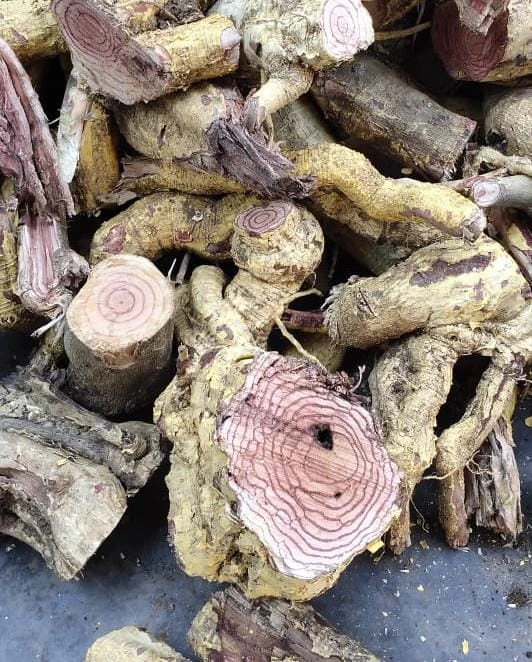
According to Ayurvedic principles, Pitta and Rakta (blood tissue) share an intimate connection. When Pitta gets inflamed by the autumn climate, it disturbs the blood quality, manifesting externally as acne breakouts, hives, itchy skin patches (Sheetapitta), and recurring boils. Cooling herbs like Sariva, Manjistha, and Neem, along with pure cow ghee, help soothe this internal heat.
What are the best everyday home habits to calm body heat in this season?
As a part of Sharad Ritucharya
Sip water infused with coriander seeds (Dhanyak) or vetiver roots (Ushira) cooled to room temperature.
Include a small teaspoon of pure A2 cow ghee with your warm lunch.
Favor naturally sweet, bitter, and astringent foods such as barley, rice, pumpkin, pomegranate, and sweet grapes.
Spend 15 to 20 minutes sitting under the evening moonlight to calm the mind and body.
When should one consider Panchakarma treatments like Virechana in Sharad Ritu?
If seasonal symptoms like severe acid reflux, chronic headaches, stubborn skin inflammation, or extreme lethargy do not resolve with dietary adjustments, classical seasonal detox (Shodhana) is recommended. Under the clinical guidance of an Ayurvedic physician such as Dr. Divyarani Patel at Shlok Ayurved in Valsad, specialized therapies like Virechana (medicated purgation) or Raktamokshana (blood purification) effectively flush out deep-seated toxins and excess bile.