Salacia Reticulata (Saptarangi) : Ayurvedic Herb for Diabetes Management
Salacia Reticulata: Ancient Ayurvedic Wisdom Meets Modern Diabetes Management The global diabetes epidemic has sparked renewed interest in traditional medicinal systems, particularly Ayurveda, which has documented effective botanicals for metabolic…

Salacia Reticulata: Ancient Ayurvedic Wisdom Meets Modern Diabetes Management
The global diabetes epidemic has sparked renewed interest in traditional medicinal systems, particularly Ayurveda, which has documented effective botanicals for metabolic disorders for millennia. Among these time-tested herbs, Salacia reticulata (also known as Salacia oblonga, Saptarangi, or Ponkoranti) stands out as a promising natural therapeutic agent backed by both classical Ayurvedic texts and contemporary scientific research.
For Ayurvedic medicine manufacturers, pharmaceutical extract producers, and botanical exporters, understanding Salacia reticulata’s comprehensive profile—from its traditional applications to its modern clinical validation—is essential for developing effective diabetes management and weight loss formulations.
What is Salacia Reticulata? Botanical and Traditional Overview
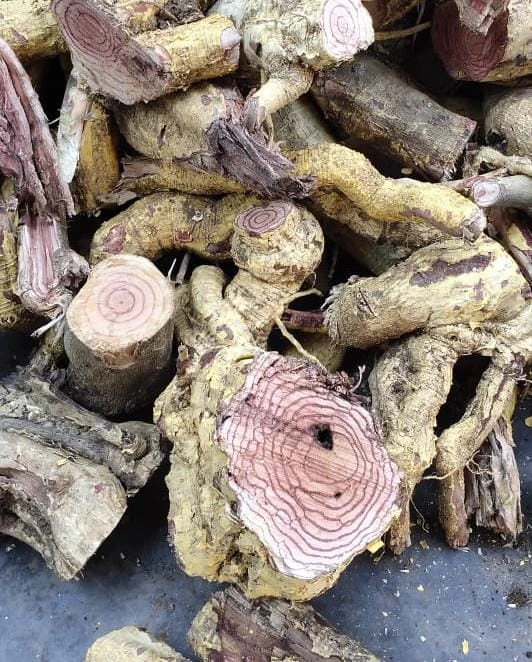
Salacia reticulata belongs to the Celastraceae family and is a woody climbing shrub native to India and Sri Lanka, with distribution across Southeast Asian tropical forests. The plant is characterized by its distinctive roots and stems that display characteristic pink-to-red concentric rings when cut—a key identification marker for quality raw material.
Botanical Classification of Salacia:
- Family: Celastraceae
- Genus: Salacia
- Species: S. reticulata (syn. S. oblonga)
- Common Names: Saptarangi (Hindi), Ponkoranti (Tamil), Ekanayakam (Malayalam)
The roots and stems constitute the primary medicinal parts, traditionally harvested from mature plants (5-7 years) to ensure optimal concentration of bioactive compounds.
Historical and Ayurvedic Context: Classical Wisdom on Salacia (Saptarangi)
In classical Ayurvedic literature, Salacia reticulata is documented as a potent herb for managing Madhumeha (diabetes mellitus) and related metabolic disorders. The herb finds mention in several authoritative Ayurvedic texts, though often under regional names.
Ayurvedic Properties of Saptarangi jadi buti (Dravyaguna)
According to traditional Ayurvedic pharmacology:
Rasa (Taste): Kashaya (Astringent), Tikta (Bitter)
Guna (Qualities): Laghu (Light), Ruksha (Dry)
Virya (Potency): Ushna (Hot)
Vipaka (Post-digestive effect): Katu (Pungent)
Dosha Effect: Balances Kapha and Pitta; may increase Vata in excess
These properties make Salacia (Saptarangi) particularly effective for conditions characterized by excessive Kapha accumulation, such as obesity (Sthaulya) and Prameha (urinary disorders including diabetes).
Classical Benefits of Saptarangi (Salacia) in Ayurveda
Traditional Ayurvedic practitioners have employed Salacia reticulata (Saptarangi) for:
- Madhumeha (Diabetes Mellitus): The primary classical indication, where Salacia’s bitter and astringent properties help regulate blood sugar and reduce excessive urination characteristic of diabetes.
- Prameha Complex: A group of 20 urinary and metabolic disorders described in classical texts, many correlating with modern diabetes and metabolic syndrome.
- Sthaulya (Obesity): Its Kapha-reducing properties support weight management and metabolic balance.
- Agnimandya (Digestive Impairment): Supports healthy digestive fire (Agni), crucial for preventing Ama (toxin) accumulation that underlies metabolic diseases.
The herb works by strengthening Agni (metabolic fire), reducing Ama (metabolic toxins), and supporting proper function of Ojas (vital essence), thereby addressing the root cause of metabolic imbalances rather than merely suppressing symptoms.
Traditional Formulations using Salacia – Saptarangi
In classical Ayurvedic pharmacy, Salacia is used in various preparations:
- Kwatha (Decoction): Traditional water extract of roots
- Churna (Powder): Fine powder for internal consumption
- Kalka (Paste): Combined with other herbs for enhanced efficacy
- Compound Formulations: Integrated into polyherbal diabetes management formulas
- In Nishakathakadi Kashayam (Reference book Sahasra Yogam), Salacia reticulata, known as Ekanayaka or Vairi in Ayurveda, is a key ingredient in this formula.
Modern manufacturers have adapted these traditional forms into standardized extracts, capsules, and tablets suitable for contemporary pharmaceutical applications.
Botanical Profile and Active Phytochemicals in Salacia (Saptarangi)
Understanding Salacia reticulata’s phytochemical composition is crucial for extract manufacturers and quality control in herbal pharmaceutical production.
Key Bioactive Compounds in Salacia
Research has identified several classes of active constituents in Salacia reticulata:
1. Sulfonium Sulfate Compounds:
- Salacinol: The primary bioactive compound, a unique sulfonium sulfate that inhibits alpha-glucosidase enzymes
- Kotalanol: Another potent alpha-glucosidase inhibitor
- Ponkoranol, De-O-sulfonated kotalanol: Related compounds with similar activity
2. Polyphenols:
- Mangiferin: A xanthone glycoside with antioxidant and anti-diabetic properties
- Catechins and epicatechins: Powerful antioxidants supporting metabolic health
3. Friedelanone and Related Triterpenoids:
- Support metabolic processes and exhibit anti-inflammatory activity
4. Essential Oils and Organic Acids:
- Contribute to the herb’s overall therapeutic profile
The concentration of these compounds varies based on plant age, growing conditions, harvesting season, and processing methods—critical factors for suppliers and manufacturers to consider.
Mechanisms of Action: How Salacia Reticulata Works ?
Modern pharmacological research has elucidated several mechanisms underlying Salacia’s anti-diabetic and metabolic effects:
Alpha-Glucosidase Inhibition
Salacinol and kotalanol competitively inhibit intestinal alpha-glucosidase enzymes, which break down complex carbohydrates into simple sugars. This inhibition:
- Delays carbohydrate digestion and glucose absorption
- Reduces post-prandial (after-meal) blood glucose spikes
- Improves overall glycemic control
This mechanism parallels pharmaceutical alpha-glucosidase inhibitors like acarbose, but with potentially fewer gastrointestinal side effects.
Enhanced Insulin Sensitivity
Research suggests Salacia extracts may improve peripheral insulin sensitivity through:
- Activation of AMPK (AMP-activated protein kinase) pathways
- Modulation of glucose transporter (GLUT4) expression
- Reduction of insulin resistance markers
Antioxidant and Anti-inflammatory Effects
Polyphenolic compounds in Salacia:
- Neutralize oxidative stress associated with diabetes complications
- Reduce chronic low-grade inflammation characteristic of metabolic syndrome
- Protect pancreatic beta cells from oxidative damage
Lipid Metabolism Modulation
Studies indicate Salacia may support:
- Reduction in total cholesterol and LDL cholesterol
- Favorable changes in lipid profiles
- Weight management through metabolic optimization
Scientific Research and Clinical Evidence of Saptarangi
Numerous scientific studies have validated traditional claims regarding Salacia reticulata’s efficacy:
Clinical Trials on Diabetes Management
Several human clinical trials have demonstrated Salacia’s benefits:
- Glycemic Control: Studies show significant reductions in fasting blood glucose and HbA1c levels in Type 2 diabetes patients consuming Salacia extracts (300-1000mg daily).
- Post-Prandial Glucose: Research indicates 20-30% reduction in post-meal glucose spikes when Salacia is consumed before carbohydrate-rich meals.
- Insulin Response: Some studies report improved insulin secretion patterns and reduced insulin resistance markers.
Weight Management Studies
Research on Salacia’s anti-obesity effects shows:
- Significant reduction in body weight and BMI in overweight subjects
- Decreased waist circumference and visceral fat accumulation
- Improved metabolic parameters associated with obesity
Safety Profile
Clinical studies consistently report good tolerability with minimal adverse effects, primarily mild gastrointestinal symptoms in sensitive individuals at high doses. Long-term safety studies (up to 12 months) indicate no significant toxicity at therapeutic doses.
Note: While research is promising, these studies should not be construed as definitive disease treatment claims. Salacia is best understood as a supportive botanical for metabolic health management under appropriate medical supervision.
Primary Health Benefits for Manufacturers and Formulators
1. Diabetes Management (Madhumeha)
Mechanism: Alpha-glucosidase inhibition, enhanced insulin sensitivity
Application: Standalone or adjunct therapy for Type 2 diabetes
Typical Extract Dose: 240-1000mg daily, standardized to salacinol content
Formulation Opportunities: Tablets, capsules, liquid extracts, polyherbal combinations
2. Weight Management and Metabolic Support
Mechanism: Reduced carbohydrate absorption, improved lipid metabolism
Application: Weight loss supplements, metabolic syndrome formulations
Typical Dose: 500-1000mg daily before meals
Synergistic Combinations: Often combined with Garcinia, Green Tea extract, Gymnema
3. Cardiovascular Health Support
Mechanism: Lipid profile improvement, antioxidant protection
Application: Heart health supplements, cholesterol management
Formulation Note: Works well in comprehensive cardiovascular support formulas
4. Antioxidant and Anti-aging Applications
Mechanism: Polyphenolic antioxidants, particularly mangiferin
Application: Anti-aging supplements, wellness formulations
Market Potential: Growing interest in botanical antioxidants for longevity
How to use Saptarangi and dose
For manufacturers developing Salacia-based products, understanding traditional and modern dosing is essential:
Traditional Ayurvedic Dosage of Saptarangi
- Root/Stem Powder (Churna): 3-6 grams daily, typically divided into 2-3 doses
- Decoction (Kwatha): 40-80ml twice daily, prepared from 10-20g root material
- Administration: Traditionally taken before meals for optimal carbohydrate metabolism effects
Modern Standardized Extract Dosing
- Standardized Extract (20-30% salacinol): 240-1000mg daily
- Timing: 15-30 minutes before carbohydrate-containing meals
- Duration: Minimum 8-12 weeks for assessment of metabolic effects
- Adjuvant Therapy: Can be combined with conventional diabetes medications under medical supervision
Manufacturing Considerations
For extract producers and formulation developers:
- Standardization: Target 15-30% total salacinol/kotalanol content for consistent efficacy
- Extraction Solvent: Water or hydroalcoholic extraction (30-70% ethanol) optimal
- Stability: Protect from light and moisture; salacinol content can degrade
- Bioavailability: Consider micronization or lipid-based delivery systems
- Combination Synergy: Works synergistically with Gymnema, Bitter Melon, Fenugreek
Quality Parameters and Sourcing Considerations
Identifying Authentic Salacia Reticulata
Quality control is critical for manufacturers and exporters:
Visual Identification of Saptarangi:
- Characteristic pink-to-red concentric rings in cross-section
- Woody texture with fibrous appearance
- Absence of adulteration with similar-looking but ineffective species
Chemical Markers:
- HPLC fingerprinting for salacinol and kotalanol content
- Mangiferin content as secondary marker
- Thin Layer Chromatography (TLC) profiling
Contaminant Testing:
- Heavy metals (lead, mercury, cadmium, arsenic) within pharmacopeial limits
- Pesticide residue analysis
- Microbial contamination testing
Sustainable Sourcing
Given increasing demand, sustainable harvesting practices are essential:
- Source from cultivated plantations rather than wild harvest where possible
- Harvest from mature plants (5-7 years) for optimal constituent profile
- Implement replanting programs to ensure long-term availability
- Support fair trade practices with local collectors and farmers
Safety Considerations and Contraindications of Saptarangi
While Salacia reticulata demonstrates a favorable safety profile, manufacturers should provide appropriate guidance:
General Safety
- Well-Tolerated: Clinical studies report minimal adverse effects at therapeutic doses
- Gastrointestinal Effects: Some individuals may experience mild bloating or flatulence due to carbohydrate malabsorption
- No Hepatotoxicity: Long-term studies show no liver function impairment
Contraindications and Precautions
- Hypoglycemia Risk: May potentiate effects of anti-diabetic medications; blood glucose monitoring advised
- Pregnancy and Lactation: Insufficient safety data; avoid use or use only under qualified healthcare supervision
- Surgical Procedures: Discontinue 2 weeks before surgery due to potential blood sugar effects
- Drug Interactions: Potential interaction with alpha-glucosidase inhibitors and other anti-diabetic agents
Labeling Recommendations
Responsible manufacturers should include:
- “Consult healthcare provider before use, especially if taking medications or have medical conditions”
- “Not intended to diagnose, treat, cure, or prevent any disease”
- “Dietary supplement for metabolic health support”
Regulatory Status and Market Potential
Current Regulatory Standing
- India: Recognized in Ayurvedic Pharmacopoeia; approved for use in Ayurvedic formulations
- International: Classified as dietary supplement/botanical in most jurisdictions
- Research Status: Growing body of clinical evidence supporting traditional uses
Market Opportunities of Saptarangi
The global diabetes management supplement market presents significant opportunities for Salacia-based products:
- Growing Diabetes Prevalence: Worldwide diabetes epidemic driving demand for natural alternatives
- Consumer Preference: Increasing preference for botanical supplements over synthetic drugs
- B2B Demand: Extract manufacturers, pharmaceutical companies, and supplement brands seeking scientifically-validated botanicals
- Export Potential: Strong international demand, particularly from diabetes-prevalent regions (Middle East, Southeast Asia, North America)
Where to Source Quality Salacia Reticulata (Saptarangi)
For manufacturers, extract producers, and exporters seeking reliable Salacia reticulata supply:
Key Sourcing Criteria
- Botanical Authentication: Verified species identification through morphological and chemical analysis
- Quality Certifications: GMP-certified processing facilities, organic certification where possible
- Constituent Standardization: Documented salacinol/kotalanol content
- Regulatory Compliance: Full documentation for export, including phytosanitary certificates
- Sustainable Sourcing: Ethical harvesting practices and cultivation support
Partnering with Trusted Suppliers
Riddhi Healthcare, based in Valsad, Gujarat, is a GMP-certified manufacturer and supplier of authentic Ayurvedic raw materials, including Salacia reticulata roots and stems. With expertise in traditional Ayurvedic botanicals and modern quality standards, we serve extract manufacturers, pharmaceutical companies, and Ayurvedic medicine producers globally.
Our Salacia reticulata offerings include:
- Authenticated root and stem material
- Cut and sifted or powdered forms
- Documentation for export compliance
- Customized processing as per client requirements
- Consultation on traditional Ayurvedic applications
Conclusion: Bridging Traditional Wisdom and Modern Science
Salacia reticulata exemplifies the convergence of ancient Ayurvedic knowledge and contemporary scientific validation. For thousands of years, Ayurvedic physicians have relied on this botanical for managing Madhumeha and related metabolic disorders. Today, clinical research confirms what traditional practitioners have long known—Salacia offers significant potential for diabetes management, weight control, and metabolic health support.
For pharmaceutical manufacturers, extract producers, and botanical exporters, Salacia reticulata represents a valuable addition to the growing portfolio of scientifically-validated Ayurvedic botanicals. Its well-established safety profile, multiple mechanisms of action, and strong clinical evidence make it an attractive ingredient for innovative diabetes management and metabolic health formulations.
As the global community increasingly recognizes the value of traditional medicine systems, herbs like Salacia reticulata serve as bridges between ancient wisdom and modern therapeutic applications—offering natural, effective solutions for contemporary health challenges.
Take the Next Step
Are you an extract manufacturer, Ayurvedic medicine producer, or botanical exporter interested in sourcing premium-quality Salacia reticulata? Riddhi Healthcare offers authenticated, high-quality Salacia roots and stems with complete documentation and quality assurance.
Contact us today to discuss your requirements:
📧 Email: sales@riddhihealthcare.com
📞 Phone: +91 6352178985, +91 9510085758
🌐 Website: www.riddhihealthcare.com
📍 Location: Valsad, Gujarat, India
Let’s work together to bring the benefits of this remarkable Ayurvedic botanical to those who need it most.
Disclaimer: This article is for informational and educational purposes only. Salacia reticulata is a traditional Ayurvedic botanical and dietary supplement ingredient. It is not intended to diagnose, treat, cure, or prevent any disease. Healthcare professionals and manufacturers should conduct their own due diligence and comply with applicable regulations in their jurisdictions. Individual results may vary. Always consult qualified healthcare providers for medical advice.
Q: What is Salacia reticulata used for?
A: Salacia reticulata is traditionally used in Ayurveda for managing diabetes (Madhumeha), supporting weight management, and promoting metabolic health. Modern research confirms its blood sugar control and anti-obesity properties.
Q: How does Salacia reticulata help with diabetes?
A: Salacia contains salacinol and kotalanol, which inhibit alpha-glucosidase enzymes, delaying carbohydrate digestion and reducing post-meal blood sugar spikes. It may also improve insulin sensitivity.
Q: Is Salacia reticulata safe?
A: Clinical studies show Salacia is generally well-tolerated with minimal side effects. However, it may interact with diabetes medications, so consult a healthcare provider before use.
Q: What is the recommended dosage of Salacia?
A: Traditional Ayurvedic dosage is 3-6g of root powder daily. Modern extracts typically use 240-1000mg daily, standardized to salacinol content, taken before meals.
Q: Where can I source quality Salacia reticulata?
A: Source from GMP-certified suppliers with botanical authentication and quality documentation. Riddhi Healthcare supplies authenticated Salacia roots and stems for manufacturers and exporters. Visit our Herb Center Page to know more.