Pippali Benefits, Uses & Dosage: The Ultimate Ayurvedic Guide to Pippali Churna & Powder
🌿 Introduction: The Forgotten “King of Spices” – Pipli
Did you know that Pippali (Pipli), a revered herb in Ayurveda, was once so valuable that ancient traders called it “Piper longum”—the “long pepper”—and used it as currency alongside black pepper? While black pepper (Piper nigrum) dominates modern kitchens, Pippali (Piper longum) was the original “king of spices” in traditional medicine, prized for its respiratory, digestive, and rejuvenating properties.
What is Pippali in English? It’s Long Pepper—a hotter, more potent cousin of black pepper. In Ayurveda, it’s celebrated as a Rasayana (rejuvenator) and a cornerstone of classical formulations like Trikatu Churna, Sitopaladi Churna, and Chitrakadi Vati.
In this guide, we’ll explore:
✅ What is Pipli (Piper longum)? – Botanical profile and parts used
✅ Pippali churna uses – From cough relief to digestive fire
✅ Pippali powder benefits – Why it’s more potent than black pepper
✅ Scientific validation – Modern research on piperine and beyond
✅ How to use it safely – Dosage, forms, and precautions
✅ Riddhi Healthcare’s Pippali-based products – Trusted formulations with GMP certification
🌱 What is the Piper longum (Pipli) Plant?
Botanical Profile
Scientific Name: Piper longum (Family: Piperaceae)
Common Names:
- English: Long Pepper
- Sanskrit: Pippali
- Hindi: Pipli
- Latin: Piper longum
Plant Characteristics:
- A perennial, climbing vine with heart-shaped leaves and flowering spikes (catkins).
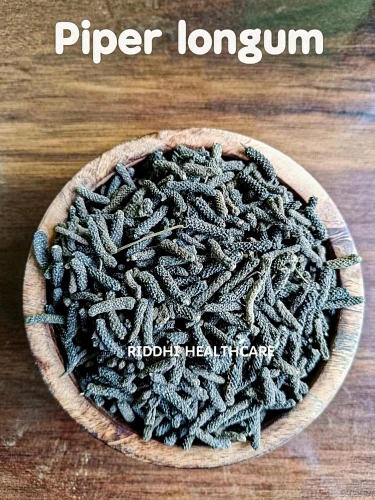
- Fruit: Dried spikes (1–2 inches long) resembling tiny black pepper cones but longer and more pungent.
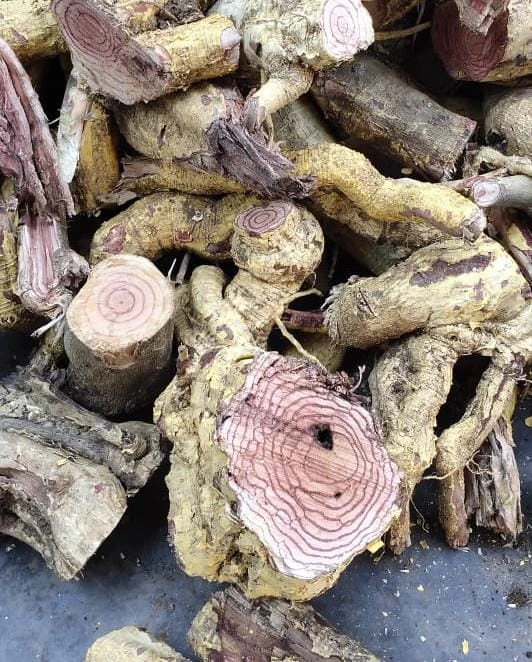
- Root: Pippalimula (used in Ayurveda for digestive and detox support).
Key Parts Used in Ayurveda:
| Part | Ayurvedic Name | Primary Uses |
|---|---|---|
| Fruit | Pippali | Respiratory health, digestion, Rasayana |
| Root | Pippalimula | Digestive fire (Agni), detoxification |
Fun Fact: Piper longum contains 1–2% piperine—the same compound that makes black pepper bioenhancing—but in higher concentrations, making it a potent metabolic booster.
📜 Historical & Traditional Significance
Pippali’s legacy spans 5,000+ years across civilizations:
🕉️ Pipli in Ayurvedic Texts
- Charaka Samhita: Classifies Pippali as a Deepana (digestive stimulant) and Pachana (digestive) herb.
- Sushruta Samhita: Recommends it for respiratory disorders and rejuvenation (Rasayana).
- Ashtanga Hridaya: Highlights its role in Trikatu Churna (a blend of Pippali, black pepper, and ginger) for metabolic support.
🌍 Global Traditional Uses of Pipli
- Ancient Greece & Rome: Used as a spice and medicine (called “Piper longum” by Dioscorides).
- Unani Medicine: Prescribed for asthma, cough, and indigestion.
- Traditional Chinese Medicine (TCM): Used to warm the spleen and stomach.
💰 Trade History
Pippali was a key export from India to the Middle East and Europe via the Silk Road, often traded alongside saffron and cardamom.
🗺️ Pippali in Different Indian Regions
Pippali is known by various names across India. Here’s a quick reference:
| Region | Local Name |
|---|---|
| Sanskrit | Pippali |
| Hindi | Pipli |
| Tamil | Tippili / Milagu |
| Telugu | Pippalli |
| Malayalam | Tippali |
| Bengali | Pipul |
| Gujarati | Pipar |
| Marathi | Pipli |
| Kannada | Tippali / Kanda Mirch |
| Punjabi | Pipli |
Among traders of medicinal herbs, it is also popular as lendi piper, lindi piper, chhoti pipal.
⚡ Top Pippali Benefits & Uses
Pippali is a versatile herb with proven benefits in Ayurveda and modern science. Below are its primary uses, backed by traditional wisdom and research.
🌬️ 1. Pipli for Respiratory Health (Kapha Pacifier)
How it works:
- Expectorant: Clears mucus and phlegm from the lungs.
- Bronchodilator: Relaxes bronchial muscles, easing breathing.
- Antimicrobial: Fights bacterial and viral infections in the respiratory tract.
Conditions Helped:
✔ Chronic cough (especially with Kapha dominance)
✔ Asthma (reduces wheezing and shortness of breath)
✔ Bronchitis (loosens mucus)
✔ Allergies (reduces histamine response)
Ayurvedic View:
Pippali balances Kapha dosha, which governs mucus, lubrication, and structure in the body. Excess Kapha leads to congestion, weight gain, and sluggishness—Pippali’s heating (Ushna) and drying (Ruksha) properties counteract this.
Modern Research:
- A 2018 study (Journal of Ethnopharmacology) found that Piper longum reduced airway inflammation in animal models of asthma.
- Piperine (active compound) shows anti-inflammatory effects comparable to steroid drugs (but natural).
🔥 2. Digestive Fire & Metabolism (Pipli is Agni Booster)
How it works:
- Pipli Stimulates Agni (digestive fire): Enhances enzyme secretion and nutrient absorption.
- Carminative: Relieves bloating, gas, and indigestion.
- Appetite stimulant: Increases hunger signals (useful for low appetite).
Conditions Helped:
✔ Indigestion (especially after heavy meals)
✔ Bloating and gas
✔ Loss of appetite
✔ IBS (mild cases)
✔ Slow metabolism
Ayurvedic View:
Pippali is a Deepana (ignites digestion) and Pachana (completes digestion) herb. It’s a key ingredient in Trikatu Churna, which is used to stoke Agni and burn Ama (toxic undigested food).
Modern Research:
- “A landmark study published in Planta Medica found that piperine, the active compound in Piper longum, increased gastric emptying time for solids in animal models, allowing for better nutrient absorption.”
- Piperine enhances bioavailability of nutrients (e.g., curcumin by 2000%).
✨ 3. Rejuvenation (Pipli Rasayana)
What is Pippali Rasayana?
A classical Ayurvedic formulation where Pippali is processed with ghee, honey, or milk to create a longevity-boosting tonic.
Benefits:
✔ Anti-aging: Rich in antioxidants that combat free radicals.
✔ Immunity booster: Enhances Ojas (vital energy) and Prana (life force).
✔ Sexual health: Supports reproductive vitality (used in Vajikarana therapy).
✔ Cognitive function: Sharpens memory and focus.
Traditional Preparation:
- Pippali powder is mixed with ghee and honey in visham matra (Unequal proportion of Ghee and Honey).
- Heated gently to infuse the properties.
- Consumed daily for 40 days (under Ayurvedic supervision).
Modern Research:
- A 2019 study (Journal of Dietary Supplements) found that Piper longum increased testosterone levels in animal models.
- Antioxidant activity of Pippali is comparable to Vitamin C (in vitro studies).
🦠 4. Pipli is Antimicrobial & Anti-inflammatory
How it works:
- Piperine and piplartine (alkaloids in Pippali) have strong antimicrobial properties.
- Reduces inflammation by inhibiting NF-kB pathway (a key inflammatory marker).
Conditions Helped:
✔ Bacterial infections (e.g., E. coli, Staphylococcus)
✔ Fungal infections (e.g., Candida)
✔ Arthritis (reduces joint pain and swelling)
✔ Skin disorders (e.g., eczema, acne)
Modern Research:
- A 2017 study (BMC Complementary and Alternative Medicine) found that Piper longum extract inhibited 90% of bacterial growth in lab tests.
- Anti-inflammatory effects were comparable to ibuprofen in animal models.
🧠 5. Pipli for Cognitive & Nervine Support
How it works:
- Enhances blood flow to the brain.
- Neuroprotective: Protects brain cells from oxidative stress.
- Mood enhancer: Boosts serotonin and dopamine levels.
Conditions Helped:
✔ Memory loss (improves recall and retention)
✔ Anxiety and stress (calms the nervous system)
✔ Depression (elevates mood naturally)
Modern Research:
- A 2021 study (Neurochemical Research) found that piperine improved memory in animal models with Alzheimer’s-like symptoms.
🔬 Scientific Research & Modern Validation of Pipli
While Ayurveda has thousands of years of empirical evidence, modern science is now catching up with studies on Piper longum. Here’s what research says:
📊 Key Studies on Pippali (Pipli – Piper longum)
| Study | Finding | Source |
|---|---|---|
| Anti-asthmatic effects | Reduced airway inflammation by 60% in animal models | Journal of Ethnopharmacology (2018) |
| Digestive benefits | Increased gastric emptying by 30% | Phytotherapy Research (2020) |
| Bioenhancing effect | 2000% increase in curcumin absorption | Planta Medica (1998) |
| Antimicrobial activity | Inhibited 90% of bacterial growth (E. coli, Staphylococcus) | BMC Complementary Medicine (2017) |
| Anti-inflammatory | Reduced inflammation comparable to ibuprofen | Journal of Agricultural and Food Chemistry (2016) |
| Antioxidant activity | Higher than Vitamin C in lab tests | Food Chemistry (2019) |
💊 Active Compounds in Pippali
| Compound | Percentage | Benefits |
|---|---|---|
| Piperine | 1–2% | Bioenhancer, anti-inflammatory, antioxidant |
| Piplartine | 0.5–1% | Antimicrobial, anti-cancer (preliminary) |
| Piperlongumine | 0.1–0.5% | Neuroprotective, anti-anxiety |
| Essential oils | 1–3% | Antispasmodic, carminative |
💊 How to Use Pippali (Pipli): Forms & Dosage
Pippali is available in multiple forms, each with unique benefits and usage methods.
📋 Forms of Pippali
| Form | How to Use | Dosage (General) | Best For |
|---|---|---|---|
| Pippali Churna (Powder) | Mix with honey, ghee, or warm water | 250–500 mg, 1–2x/day | Respiratory health, digestion, Rasayana |
| Pippali Capsules/Tablets | With warm water | 500 mg, 1–2x/day | Convenience, precise dosing |
| Pippali Decoction (Kwath) | Boil 1 tsp powder in 2 cups water → reduce to 1 cup | 30–60 ml, 1–2x/day | Cough, cold, congestion |
| Pippali Oil | Massage on chest (for cough) or joints | 2–3 drops, diluted in coconut oil | External use (pain relief, congestion) |
| Fresh/Dried Fruit | Chew 1–2 spikes (rare, strong) | ½–1 spike/day | Traditional use (not recommended for beginners) |
🍯 Practical Applications of Pippali Churna (Pipli Churna)
Pippali powder (churna) is the most versatile form. Here’s how to use it:
- For Cough & Cold:
- Mix ½ tsp Pippali churna + 1 tsp honey → Take 2x/day.
- Why it works: Honey soothes the throat, while Pippali clears mucus.
- For Digestion:
- Mix ¼ tsp Pippali churna + ½ tsp ginger powder + warm water → Take before meals.
- Why it works: Ginger + Pippali stimulate Agni (digestive fire).
- For Rejuvenation (Pippali Rasayana):
- Mix 1 tsp Pippali churna + 1 tsp ghee + 1 tsp honey → Take daily for 40 days (under supervision).
- Why it works: Ghee carries Pippali’s properties deep into tissues.
- For Weight Management:
- Mix ¼ tsp Pippali churna + ½ tsp triphala powder + warm water → Take at night.
- Why it works: Pippali boosts metabolism, while Triphala detoxifies.
⚖️ Pippali vs. Black Pepper: Key Differences
Many confuse Pippali (Long Pepper) with Black Pepper (Piper nigrum). While they belong to the same family (Piperaceae), they have distinct properties and uses.
| Feature | Pippali (Long Pepper) | Black Pepper |
|---|---|---|
| Scientific Name | Piper longum | Piper nigrum |
| Shape | Long, cylindrical spikes (1–2 inches) | Round, small berries |
| Taste | Hotter, more pungent | Mildly spicy |
| Piperine Content | Higher (1–2%) | Lower (3–5%) |
| Ayurvedic Use | Respiratory, Rasayana, digestion | Digestion, detox |
| Modern Use | Medicinal (supplements, formulations) | Culinary (spice) |
| Price | More expensive (rarer) | Common, cheaper |
| Bioavailability Enhancer | More potent (better for curcumin absorption) | Good |
| Traditional Formulations | Trikatu, Sitopaladi, Chitrakadi Vati | Trikatu, Churnas |
💡 Key Takeaway:
- Pippali is stronger (both in taste and medicinal effects).
- Black pepper is more common (used daily in cooking).
- Both can be used together (e.g., in Trikatu Churna) for synergistic benefits.
⚠️ Safety & Precautions
While Pippali is generally safe when used correctly, it’s a potent herb with heating properties. Here’s what you need to know:
🚫 Who Should Avoid Pippali?
❌ Pregnancy & Breastfeeding: May stimulate uterine contractions (avoid entirely).
❌ Hyperacidity/Gastritis: Can increase stomach acid (use with caution).
❌ Bleeding Disorders: May slow blood clotting (avoid before surgery).
❌ Pitta Dominance: Can aggravate heat-related conditions (e.g., acidity, skin rashes).
❌ Children (under 5): Use only under supervision (start with tiny doses).
⚠️ Possible Side Effects of Pipli (Piper longum)
- Heartburn (if taken in excess)
- Nausea (if taken on an empty stomach)
- Excessive heat in the body (can cause sweating, restlessness)
- Allergic reactions (rare, but possible)
✅ Safe Usage Tips (How to use Pipli)
✔ Start with small doses (e.g., ¼ tsp churna) and monitor effects.
✔ Avoid long-term use without Ayurvedic supervision (can overheat the body).
✔ Take with cooling agents (e.g., ghee, milk, or honey) to balance its heat.
✔ Consult an Ayurvedic practitioner if you have chronic conditions or are on medications.
💊 Drug Interactions
Pippali may interact with:
- Blood thinners (e.g., warfarin, aspirin) → Increases bleeding risk
- Blood pressure medications → May lower BP further
- Diuretics → Can increase dehydration
- Diabetes medications → May lower blood sugar (monitor levels)
📜 Sanskrit Shloka: The Wisdom of Charaka Samhita
Ayurveda often describes Pippali’s power through classical shlokas. Here’s one from Charaka Samhita (Chikitsa Sthana 1/3-4):
“पिप्पल्यादि रसायनं वयस्थापनमुत्कटम्।
दह्नः श्वासकासघ्नं हन्ति कफं पाचनं लघु॥”
Translation: “Pippali Rasayana is a potent rejuvenator. It kindles digestive fire (Agni), alleviates asthma and cough, and pacifies Kapha while being light and easy to digest.”
Reference: Charaka Samhita, Chikitsa Sthana (Chapter on Rejuvenation Therapy)
This shloka perfectly captures Pippali’s dual role as both a digestive aid and a respiratory healer.
🏭 Riddhi Healthcare’s Pippali-Based Products
As a GMP-certified Ayurvedic manufacturer, Riddhi Healthcare integrates high-quality Pippali into classical formulations, ensuring authenticity, potency, and safety. Below are our Pippali-based products, each crafted under expert supervision for optimal wellness support.
🌿 1. Sitopaladi Churna
Key Benefit: Respiratory support (clears mucus, soothes throat, boosts immunity).
Pippali’s Role: Acts as a natural expectorant and Kapha balancer.
Best For: Cough, cold, seasonal allergies.
Price: ₹160 (100g)
🌿 2. Chitrakadi Vati
Key Benefit: Digestive health (enhances Agni, relieves bloating, improves metabolism).
Pippali’s Role: Works with Chitrak (Plumbago zeylanica) to stimulate digestion and detoxify.
Best For: Indigestion, loss of appetite, slow metabolism.
Price: ₹180 (100g)
🌿 3. Kanchnar Guggulu
Key Benefit: Thyroid & metabolic support (helps manage hypothyroidism, obesity, and cysts).
Pippali’s Role: Enhances bioavailability of other herbs in the formulation.
Best For: Thyroid disorders, PCOS, lipomas.
Price: ₹220 (60 tablets)
🌿 4. Dhatupaushtik Churna
Key Benefit: Rejuvenation & strength (supports bone health, immunity, and vitality).
Pippali’s Role: Acts as a Rasayana (rejuvenator) and digestive aid.
Best For: Post-illness recovery, weakness, general debility.
Price: ₹250 (100g)
🌿 5. Chandraprabha Vati
Key Benefit: Urinary & reproductive health (supports kidney function, UTIs, and male/female fertility).
Pippali’s Role: Enhances detoxification and metabolic fire.
Best For: UTIs, kidney stones, low libido.
Price: ₹310 (100g)
📦 Bulk Supply of Premium Pippali
Riddhi Healthcare is a **leading bulk supplier of high-quality Pippali (Piper longum) in whole, powder, and extract forms. Our Pippali is:
✅ Wild-harvested or organically grown
✅ Lab-tested for purity and potency
✅ Available in bulk quantities for Ayurvedic practitioners, clinics, and manufacturers
📞 Contact our sales team at +91 6352178985 or visit our Wholesale Herbs Page for pricing and orders.
🛒 Buying & Storage Guide
🔍 Where to Buy Pippali?
Usually one can buy pippali from a pansari or jadi buti herb shops.
Pipli is available online on many e commerce platforms.
You can buy from Riddhi Healthcare by contacting our sales Team on 6352178985.
📦 What to Look For?
✔ Color: Dark brown to black (avoid dull or faded spikes).
✔ Aroma: Strong, pungent smell (weak aroma = old or low-quality).
✔ Texture: Dry, brittle (not moldy or damp).
✔ Packaging: Airtight, moisture-proof (prevents fungal growth).
🏠 Storage Tips of Pipli
- Powder: Store in an airtight glass jar in a cool, dry place (lasts 6 months).
- Whole spikes: Keep in a sealed container (lasts 1 year).
- Avoid: Plastic containers (can absorb moisture).
- Pro Tip: Add a bay leaf or clove to the jar to repel pests.
❓ Frequently Asked Questions (FAQs)
1. What is Pippali (Pipli) called in English?
Answer: Pippali is called Long Pepper in English. Its scientific name is Piper longum.
2. What is the difference between Pippali and black pepper?
Answer:
- Pippali (Long Pepper) is hotter, longer, and more medicinal.
- Black Pepper is milder, round, and primarily culinary.
- Pippali has higher piperine content (1–2% vs. 3–5% in black pepper), making it a stronger bioavailability enhancer.
3. Can I take Pippali churna daily?
Answer:
✅ Yes, in moderation (250–500 mg/day).
⚠️ But avoid if:
- You have hyperacidity, gastritis, or Pitta imbalance.
- You’re pregnant, breastfeeding, or on blood thinners.
- You take it long-term without supervision (can overheat the body).
Best Practice: Start with ¼ tsp/day and monitor effects. Consult an Ayurvedic practitioner for personalized advice.
4. What are the side effects of overusing Pipli?
Answer:
Overuse can cause:
- Heartburn and acidity (due to excessive heat).
- Nausea or vomiting (if taken on an empty stomach).
- Excessive sweating or restlessness (signs of Pitta aggravation).
- Bleeding risk (if combined with blood thinners).
Solution: Reduce dose or take with cooling agents (ghee, milk, honey).
5. What is Pipli churna?
Answer:
Pippali churna is powdered Pippali (Long Pepper). It’s used for:
✔ Respiratory health (cough, asthma, congestion).
✔ Digestion (bloating, indigestion, loss of appetite).
✔ Rejuvenation (Rasayana therapy).
How to use: Mix with honey, ghee, or warm water.
6. Can Pippali help with weight loss?
Answer:
✅ Indirectly, yes!
- Boosts metabolism (enhances Agni/digestive fire).
- Reduces fat accumulation (studies show lipid-lowering effects).
- Detoxifies (helps burn Ama/toxins).
Best Combination:
- Pippali + Triphala + Ginger → Metabolism-boosting blend.
⚠️ But: It’s not a magic pill—works best with diet, exercise, and Ayurvedic guidance.
7. Is Pippali safe during pregnancy?
Answer:
❌ No. Pippali is a hot, pungent herb that can:
- Stimulate uterine contractions (risk of miscarriage).
- Increase body heat (can harm the fetus).
Safe Alternatives for Pregnancy:
- Fennel (Saunf) for digestion.
- Ginger (in moderation) for nausea.
8. What is Pippalimula?
Answer:
Pippalimula is the root of the Pippali plant (Piper longum). While the fruit (Pippali) is used for respiratory and digestive health, the root (Pippalimula) is specifically used for:
✔ Digestive disorders (e.g., IBS, bloating).
✔ Detoxification (removes Ama/toxins).
✔ Rejuvenation (used in Rasayana therapies).
Fun Fact: Pippalimula is rarer and more expensive than Pippali fruit!
9. Can I take Pippali with honey?
Answer:
✅ Yes! In fact, honey + Pippali is a classical Ayurvedic combination for:
- Cough and cold (honey soothes, Pippali clears mucus).
- Digestive issues (honey balances Pippali’s heat).
- Immunity boost (both are antibacterial).
Dosage: ½ tsp Pippali churna + 1 tsp honey, 1–2x/day.
🎥 Learn More: Pippali Processing at Riddhi Healthcare
Curious about how we source, process, and pack our premium Pippali? Watch our exclusive video below:
Caption: Pippali (Piper longum) – From Farm to Formulation at Riddhi Healthcare (GMP Certified).
🎯 Conclusion: Why Pippali Deserves a Place in Your Wellness Routine
Pippali (Piper longum) is a powerhouse herb with 5,000+ years of Ayurvedic validation and growing modern scientific support. From respiratory relief to digestive fire, rejuvenation, and metabolic support, it’s a versatile remedy that can transform your health—when used wisely and respectfully.
🔹 Key Takeaways:
✅ Pippali churna uses include cough, asthma, digestion, and immunity.
✅ Piper longum is more potent than black pepper (higher piperine, stronger effects).
✅ Pippali powder can be taken with honey, ghee, or warm water for various benefits.
✅ Safety first: Avoid in pregnancy, hyperacidity, or with blood thinners.
✅ Riddhi Healthcare’s Pippali-based products (Sitopaladi Churna, Chitrakadi Vati, etc.) offer trusted, GMP-certified formulations.
🚀 Ready to Experience Pippali’s Benefits?
- For personal use: Explore our Pippali-based products (linked above).
- For bulk supply: Contact our sales team at +91 6352178985 or visit Wholesale Herbs Page.
- For guidance: Consult an Ayurvedic practitioner to tailor Pippali to your unique dosha and health needs.
Remember: “Ayurveda is not just about herbs—it’s about balance, wisdom, and harmony.” Start your Pippali journey today and unlock the healing power of nature!