
Best Ayurvedic Herbs for Strength, Stamina & Vitality
Ayurvedic Herbs commonly used in ayurveda for vitality In today’s fast-paced lifestyle, many people experience reduced strength, low stamina, and mental fatigue due to stress, irregular routines, and inadequate nutrition….

Ayurvedic Herbs commonly used in ayurveda for vitality
In today’s fast-paced lifestyle, many people experience reduced strength, low stamina, and mental fatigue due to stress, irregular routines, and inadequate nutrition. Ayurveda, India’s traditional system of wellness, approaches vitality in a holistic way — focusing on nourishing the body, supporting natural energy, and maintaining long-term balance rather than chasing quick stimulation.
For centuries, Ayurvedic practitioners have relied on specific herbs and formulations to support strength and vitality as part of a balanced lifestyle. These herbs are traditionally selected for their ability to nourish body tissues, support endurance, and promote overall resilience when used thoughtfully and consistently. In this article, we explore key Ayurvedic herbs associated with strength and vitality and why balanced formulations are often preferred over single ingredients.
Understanding vitality in Ayurveda requires understanding how herbs work together rather than in isolation.
Understanding the perspective of Ayurvedic Herbs for Vitality
Ayurveda associates physical strength, endurance, mental clarity, and resilience with the concept of Ojas — the refined essence of proper digestion, nutrition, and tissue nourishment.
When lifestyle imbalance, stress, or ageing weakens digestion and tissue nutrition, vitality may decline. Ayurveda therefore focuses on:
- Nourishing body tissues (Seven Dhatus)
- Supporting natural energy metabolism
- Maintaining mental calm and focus
- Encouraging long-term balance rather than instant stimulation
Herbs used for vitality are often classified as Rasayana herbs — formulations meant to support longevity, strength, and rejuvenation when taken regularly and responsibly.
Key Ayurvedic Rasayana Herbs Traditionally Used for Strength & Vitality
Below are some well-known Ayurvedic herbs that have been traditionally used to support physical endurance, stamina, and overall wellness. Each herb contributes in a unique way, and their benefits are best realized when used in balanced formulations.
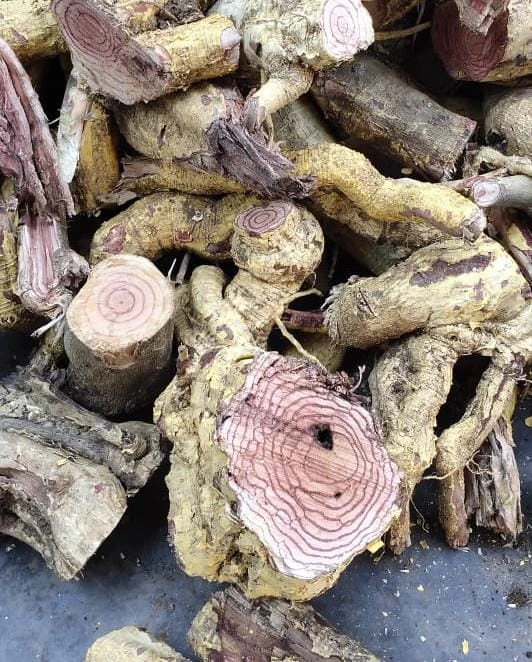
Salam Panja (Dactylorhiza hatagirea)
Safed Musli / Kali Musli
Musli varieties are traditionally used to support strength, stamina, and tissue nourishment. They are often included in vitality-focused formulations for their nourishing and restorative qualities.
Ashwagandha (Withania somnifera)
A well-known adaptogenic herb, Ashwagandha supports the body’s ability to cope with stress, promotes calmness, and helps maintain physical endurance and recovery.
Akkarkara (Anacyclus pyrethrum)
Traditionally used to stimulate and support neuromuscular strength, Akkarkara is valued for its warming and activating properties in Ayurvedic formulations.
Talim Khana
Used traditionally to support physical strength and nourishment, Talim Khana is often included in formulations designed for endurance and vitality.
Kaunch Beej (Mucuna pruriens)
Kaunch Beej has a long history of use in Ayurveda for supporting energy levels and neuromuscular balance when used appropriately.
Vidari Kand (Pueraria tuberosa)
A nourishing herb traditionally used to support tissue building, stamina, and recovery, especially in individuals experiencing weakness or fatigue.
Bala Mool (Sida cordifolia)
As the name suggests, Bala is associated with strength. It is traditionally used to support muscles, joints, and overall physical stability.
Bal Beej
Used in traditional formulations to complement strength-supporting herbs and assist in maintaining vitality.
Gokharu (Tribulus terrestris)
Traditionally used to support urinary health and physical endurance, Gokharu also plays a role in maintaining balance during physically demanding routines.
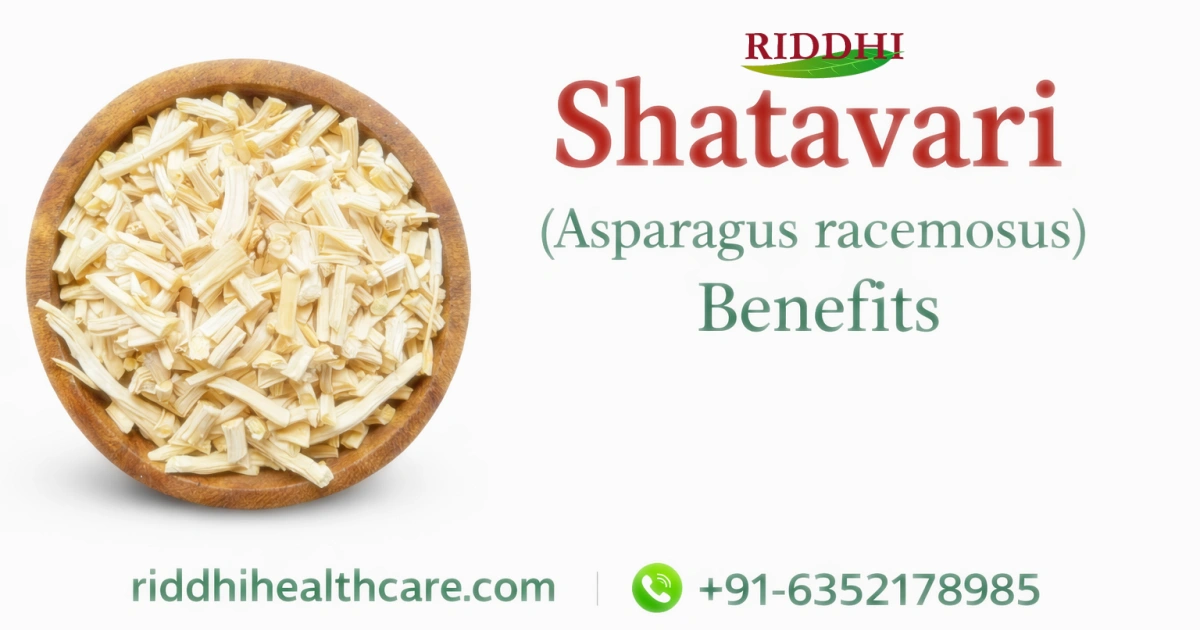
Shatavari (Asparagus racemosus)
A classical Rasayana herb, Shatavari supports nourishment, hormonal balance, and long-term vitality in both men and women.
Brahmi (Bacopa monnieri)
Vitality is not only physical. Brahmi supports mental clarity, focus, and calmness — important components of sustained energy.
Shankhpushpi (Convolvulus pluricaulis)
Traditionally used to support mental relaxation and cognitive balance, Shankhpushpi complements physical vitality by supporting the nervous system.
Lavang (Clove) & Jaiphal (Nutmeg)
Used in small quantities, these herbs support digestion and assimilation — a critical Ayurvedic principle for ensuring nutrients properly nourish the body.
Nagkesar & Kapur (Camphor)
Included traditionally for their balancing and supportive roles within multi-herb formulations.
Why Ayurvedic Formulations Work Better Than Single Herbs, to boost Stamina and Vitality
Ayurveda rarely relies on a single herb. Instead, it emphasizes synergy — where herbs with complementary actions work together to:
- Improve absorption
- Balance heating and cooling effects
- Support multiple body systems simultaneously
- Reduce the risk of imbalance from long-term use
Carefully formulated combinations are designed to be supportive, not aggressive, making them more suitable for consistent use.
Indian Ayurvedic Herbs vs. African Herbs for Energy: Why ‘Shatmya’ Matters for Your Energy
While the global interest in African herbs like Yohimbe, Maca (technically South American but often grouped in “exotic” lists), or African Ginger is rising due to their stimulatory effects, as a botanist and a second-generation practitioner, I look at energy through a different lens: Biocompatibility.
In Ayurveda, the principle of Shatmya teaches us that substances grown in our own climate and soil are more easily assimilated by our bodies. Here is why Indian herbs mentioned in our classical texts offer a superior “energy profile” for the Indian constitution:
1. Sustained Vitality vs. Temporary Stimulation
Many exotic “energy” herbs act as stimulants that can aggravate Vata and Pitta, leading to a “crash” or nervous exhaustion. In contrast, our classical texts—the Charaka Samhita and Sushruta Samhita—focus on Rasayanas. Herbs like Ashwagandha and Safed Musli don’t just “kickstart” the system; they nourish the Dhatus (tissues) at a cellular level. From a chemical perspective, the withanolides in Ashwagandha balance cortisol, providing “calm energy” rather than a jittery burst.
2. The Wisdom of the ‘Pradesh’ (Region)
The Indian body is genetically and environmentally accustomed to the flora of the Indian subcontinent. Our ancestors spent 4,000 years perfecting the extraction methods for herbs like Kapikacchu (Mucuna pruriens) and Shatavari. These are not just “supplements”; they are part of our biological heritage. When you choose a herb like Gokshura over an imported African variety, you are choosing a plant that shares your DNA’s environmental history.
3. Phytochemical Synergy
In my father’s 40-year-old Vaidya practice in Valsad, we have seen that Indian herbs work in “Yoga” (synergy). While an African herb might target a single pathway, Indian energy herbs are multitargeted. They support digestion (Agni) while building strength (Bala). If the Agni is not right, no amount of “exotic” herb can provide real energy.
4. The Power of Swadeshi Rasayanas: Indian vs. Exotic Energy Herbs
| African/Exotic Herb | Closest Indian Ayurvedic Alternative | The “Vaidya’s” Scientific Edge (Dharmesh’s Insight) |
|---|---|---|
| Yohimbe / African Ginger | Safed Musli & Ashwagandha | While Yohimbe can cause heart palpitations & high Pitta, Safed Musli provides cool, stable energy (Sheeta Virya) that builds Ojas without the “crash.” |
| Maca Root | Shatavari & Vidari Kand | Maca is famous for hormones, but Shatavari and Vidari Kand are superior for the Indian climate. They are Balya (strength-giving) and specifically nourish the Ras Dhatu. |
| Griffonia (5-HTP) | Kaucha (Konch Beej) | Konch Beej is a natural source of L-Dopa. It doesn’t just “stimulate” the brain; it balances the Vata Dosha, providing mental clarity and physical stamina. |
| Tribulus Terrestris (Global) | Gokshura | Though found globally, the Gokshura grown in Indian soil has a specific phytochemical profile optimized for our renal and reproductive health (Mutravaha Srotas). |
| African “Power” Roots | Salam Panja & Bal Beej | Salam Panja is perhaps the most potent tonic in Ayurveda for instant vitality. Bal Beej (Sida cordifolia), as the name suggests, provides Bala (physical force) that is unmatched by imported seeds. |
The Botanist’s Perspective: Why the Source Matters
As a botanist, I often tell my clients in Valsad: A plant is a product of its soil. The chemical constituents (alkaloids and saponins) in Vidari Kand or Gokshura harvested here are “programmed” to work with the enzymes in our gut.
When you use Salam Panja or Konch Beej (Kaucha Beej), you aren’t just taking a supplement; you are participating in a 40-year legacy of healing that my father started in our shop. These herbs are mentioned in our classical texts for a reason—they were discovered by sages who understood the Indian human body better than any modern laboratory.
The Verdict: While African herbs have their own merits in their native regions, for the Indian human body, our homegrown Rasayanas provide a deeper, safer, and more sustainable foundation for vitality.
Ayurvedic Tablet, Powder, or Churna – What Should You Choose?
- Powders (Churna): Effective but require taste tolerance and careful dosing
- Single-herb supplements: Useful but limited in scope
- Tablets: Convenient, measured, and ideal for multi-herb formulations
Tablets prepared without heavy metals or bhasma are often preferred by those seeking long-term use with ease and consistency.
Who May Consider Ayurvedic Vitality Support?
Ayurvedic vitality formulations may be considered by individuals who:
- Experience general tiredness or reduced stamina
- Lead physically or mentally demanding lifestyles
- Wish to support long-term strength and endurance naturally
- Prefer traditional wellness approaches over synthetic stimulants
As with all Ayurvedic products, guidance from a qualified practitioner is advisable, especially for those with existing health conditions.
Stamina Booster Ayurvedic Medicine
A Thoughtfully Formulated Ayurvedic Option : Ener Zen Tablet + Dhatupaushtik Churna
If you are exploring an Ayurvedic vitality tablet that brings together classical herbs such as Salam Panja, Musli, Ashwagandha, and other Rasayana ingredients, prepared without bhasma and designed for regular use, you may explore Ener Zen by Riddhi Healthcare.
It is developed keeping traditional Ayurvedic principles, modern safety expectations, and long-term wellness in mind.
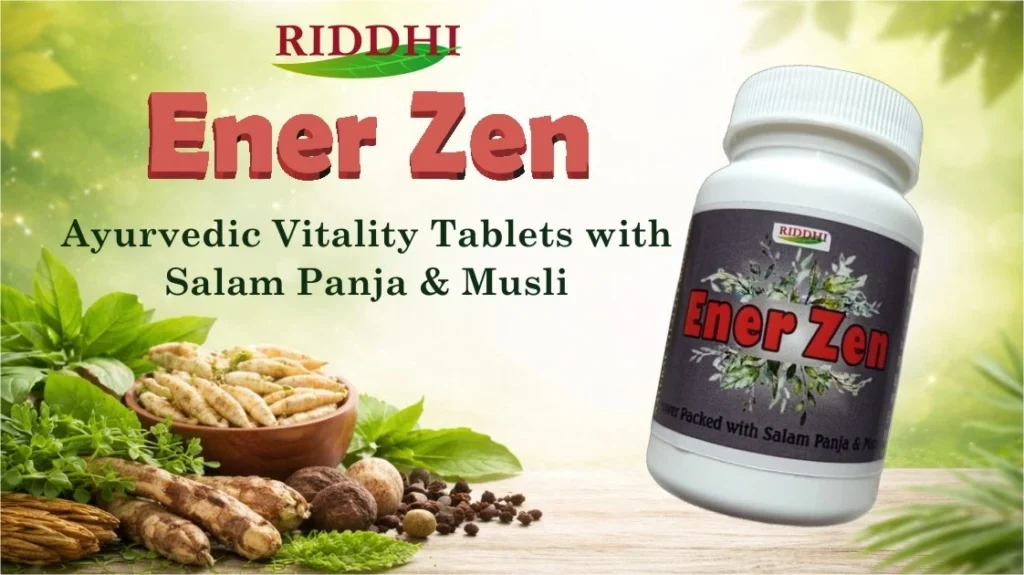
Ener Zen Ayurvedic tablets formulated with Salam Panja and classical herbs to support daily vitality and wellness.
Important Note
This article is intended for educational purposes only. Ayurvedic supplements are not intended to diagnose, treat, cure, or prevent any disease. Always consult a qualified Ayurvedic practitioner for personalized guidance.
This article is compiled under the guidance of Dr. Pinesh Shah (BAMS) and Dr. Vidhi Shah (BNYS).
Frequently Asked Questions About Ayurvedic Vitality Herbs
What are vitality-supporting herbs in Ayurveda?
In Ayurveda, vitality-supporting herbs are those traditionally used to nourish body tissues, support endurance, and promote long-term balance rather than instant stimulation.
Are Ayurvedic herbs meant for short-term or long-term use?
Most classical Ayurvedic herbs are designed for gradual and consistent use, focusing on nourishment and balance rather than immediate effects.
Is it better to take single herbs or combination formulations?
Ayurveda traditionally favors combination formulations, as they improve absorption, balance effects, and support multiple systems together.
Do Ayurvedic vitality herbs work the same for everyone?
Ayurveda considers individual constitution, lifestyle, and digestion. Results may vary, which is why practitioner guidance is recommended.
Can these herbs be taken daily?
Many Ayurvedic vitality herbs are intended for regular use when taken in appropriate formulations and dosages, but professional advice is always advisable.
Are tablets better than powders or churnas?
Tablets offer convenience and consistency, while powders offer flexibility. The choice depends on preference, lifestyle, and formulation quality.